Warwick District Council is the local planning authority, and the district has 29 conservation areas. In central Warwick the working assumption should be that you are in one, and that a good number of the buildings around you are listed.
Listed buildings are the first question
Warwick has an exceptional concentration of them for a town its size, which is a direct consequence of that coherent post fire rebuild. Listing covers the whole building, inside and out, not the frontage alone. Listed building consent is separate from planning permission, and carrying out work without it is a criminal offence rather than an administrative slip. We ask about listing on the first visit, every time.
Old plots, later buildings
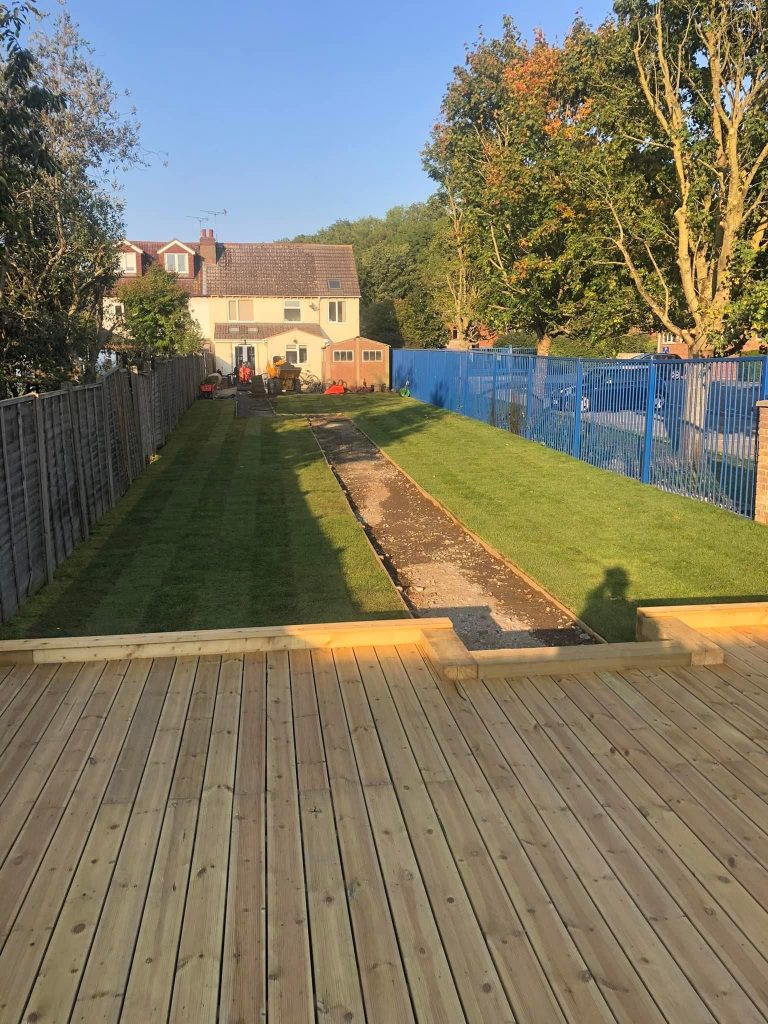
Because the medieval plot pattern survived the fire, properties in the centre sit tight against their boundaries with long narrow gardens behind. Almost any work near a boundary here raises a party wall question, and we would rather serve notice early than lose three weeks to it later.
Below ground
In the historic core the council may attach an archaeological condition to a permission involving excavation. It is not a refusal and it is not unusual, but it has a cost and a programme implication, and it is far better to know about it when you are budgeting than when the machine is booked.
Everything else
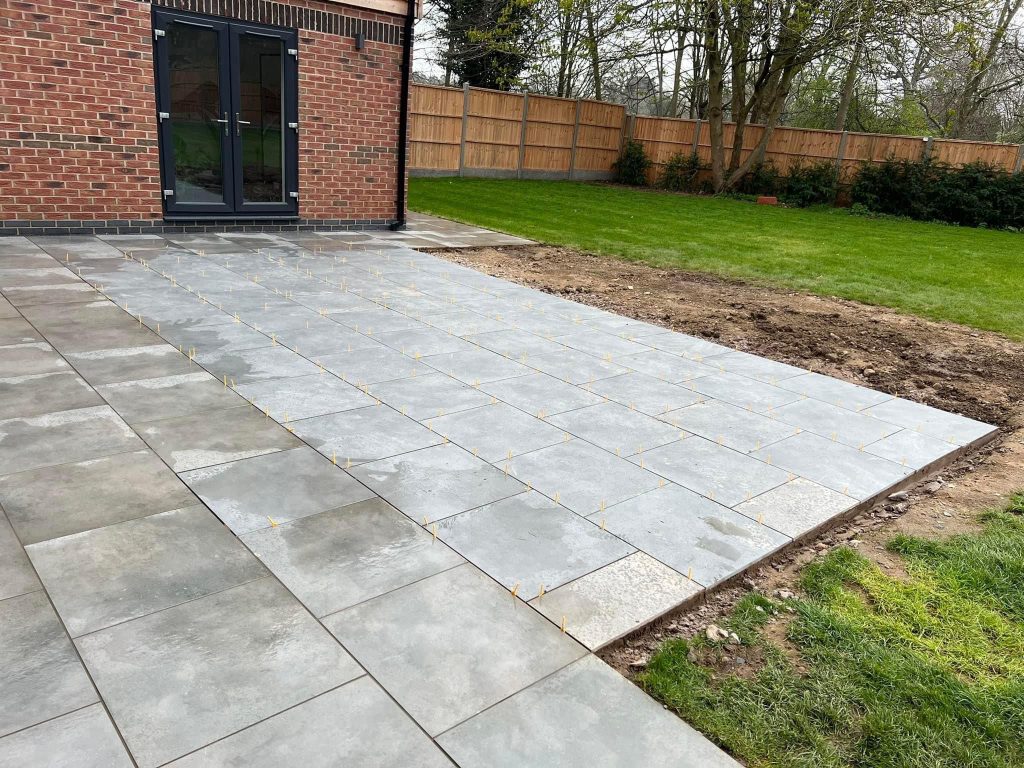
Out on the later housing the ordinary rules apply and a single storey rear extension often falls within permitted development. Permitted development is not an exemption from Building Regulations, and a full plans application is still required. We do not make that application, but we arrange and meet the inspections that follow it and we see the work through to sign off.